Get Radiator Heating Installation
Radiator heating installation services help property owners add or replace radiators to improve warmth and comfort, handling projects like new systems, upgrades, and repairs.
Radiator heating installation can be an effective way to provide consistent and reliable warmth throughout a property. Property owners exploring heating options often consider radiator systems for their durability and straightforward operation. If you are planning a heating upgrade or new installation, it’s helpful to compare local contractors who specialize in radiator setups to find the best fit for your needs.
By exploring the services offered by nearby contractors, property owners can evaluate different approaches to radiator heating installation and ensure the work aligns with their property’s requirements. Continuing to review local options can help you make informed decisions about your heating project, connecting you with experienced service providers ready to assist with your plans.
- Radiator Heating Installation - homeowners seeking to upgrade or replace an aging heating system can benefit from professional installation.
- Underfloor Radiator Systems - property owners interested in efficient, space-saving heating solutions may need expert setup.
- Central Heating System Setup - new constructions or major renovations often require comprehensive radiator installation services.
- Radiator Repair and Replacement - individuals experiencing uneven heating or leaks may need local contractors to service or swap radiators.
- Custom Radiator Design and Installation - clients wanting tailored heating solutions for specific room layouts can connect with specialists who handle custom setups.
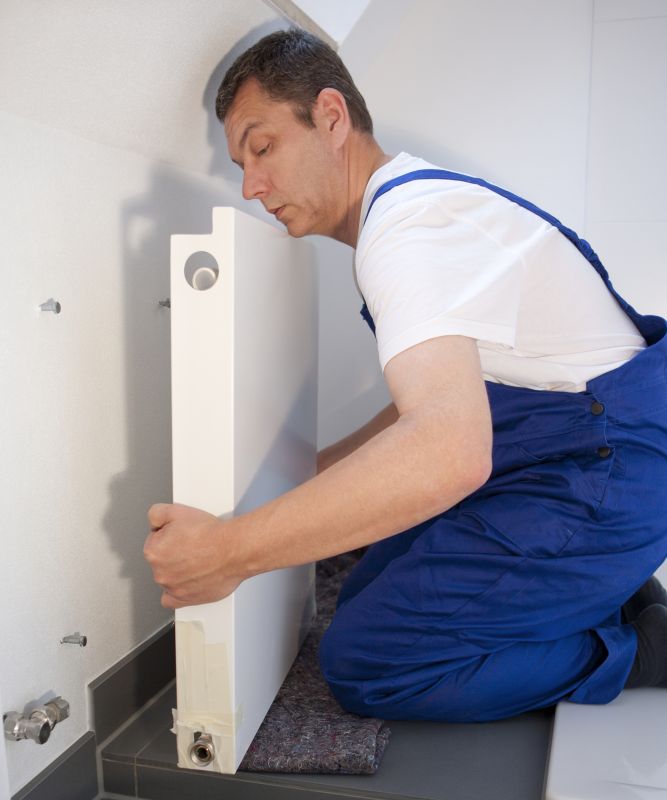
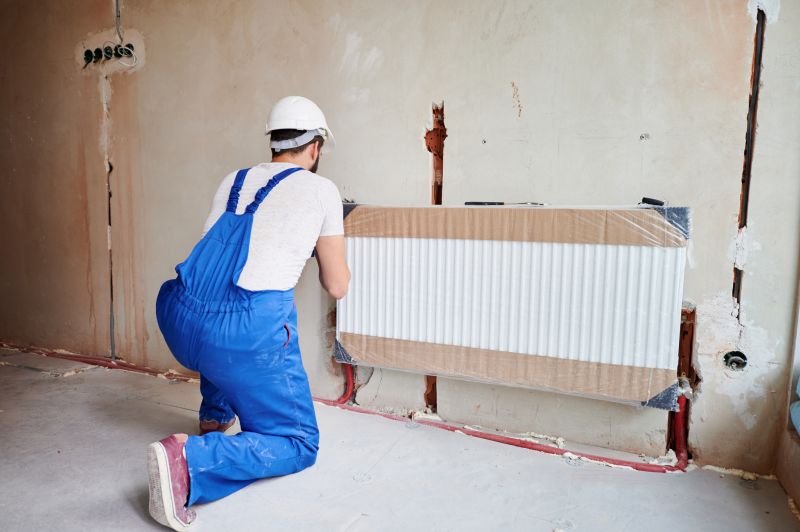
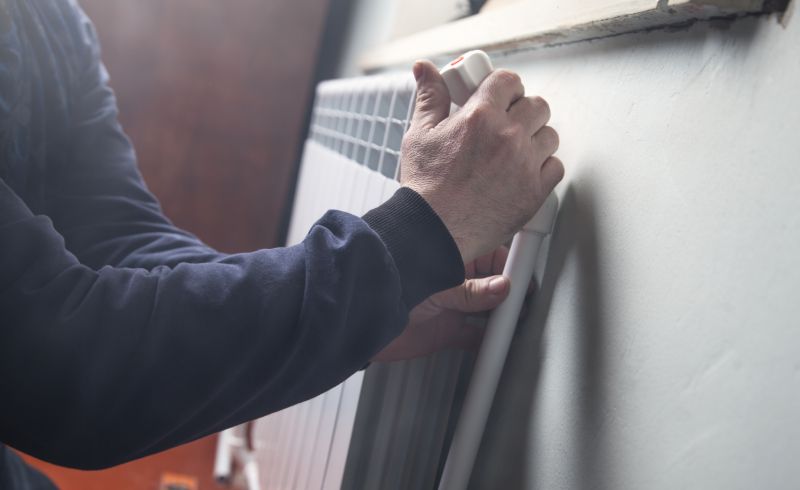
Radiator heating installation involves setting up a system that uses radiators to distribute heat throughout a property. This process typically includes selecting appropriate radiators, connecting them to a central heat source such as a boiler or heat pump, and ensuring proper piping and venting. The goal is to create an efficient and effective way to warm indoor spaces, providing consistent heat during colder months. Homeowners considering this service should look for experienced local contractors who can assess their property’s layout and recommend the most suitable radiator system.
This type of heating service helps address common issues like uneven heating, high energy bills, or outdated heating systems that no longer perform reliably. Radiator heating can be especially beneficial in homes with poor insulation or rooms that tend to stay cold. Proper installation ensures that heat is evenly distributed, reducing cold spots and improving overall comfort. Additionally, a well-installed radiator system can operate more efficiently, potentially lowering energy costs and minimizing the need for frequent repairs.
Properties that typically use radiator heating include older homes with existing radiator systems, as well as new constructions designed for hydronic or steam-based heating solutions. This service is also suitable for properties where a quiet, unobtrusive heating method is preferred, since radiators operate silently compared to forced-air systems. Residential buildings, including single-family homes, townhouses, and certain multi-unit dwellings, often benefit from radiator installation to maintain a warm and cozy indoor environment.
Homeowners who notice their current heating system is unreliable, noisy, or uneven may find radiator installation to be a practical solution. It’s also a good option for those seeking a more consistent and comfortable heat source that complements certain interior designs, especially in spaces where wall-mounted radiators can be integrated seamlessly. Local contractors experienced in radiator heating installation can evaluate a property’s specific needs and recommend the best approach to achieve reliable, efficient warmth throughout the home.
The overview below groups typical Radiator Heating Installation projects into broad ranges so you can see how smaller, mid-sized, and larger jobs often compare in your area.
In many markets, a large share of routine jobs stays in the lower and middle ranges, while only a smaller percentage of projects moves into the highest bands when the work is more complex or site conditions are harder than average.
Smaller Repairs - Typical costs for minor radiator heating repairs or adjustments range from $250 to $600. Many routine jobs fall within this middle range, while fewer projects may cost less or slightly more depending on the specific issue.
Full Replacement - Replacing an entire radiator heating system usually costs between $3,000 and $7,000. Larger, more complex installations can reach $10,000 or more, but most projects tend to be in the middle of this range.
System Upgrades - Upgrading an existing radiator system, such as adding zones or improving efficiency, generally costs $2,000 to $5,000. These projects are common and often fall within this moderate cost band.
Custom or Complex Installations - Custom or high-end radiator heating installations can exceed $10,000, especially for large or intricate systems. Such projects are less frequent but represent the upper tier of typical costs for specialized work.
Actual totals will depend on details like access to the work area, the scope of the project, and the materials selected, so use these as general starting points rather than exact figures.
Hydronic Floor Heating Installation - this project involves installing radiant floor systems that use similar piping, planning, and heating distribution techniques as radiator installation.
Baseboard Heater Installation - installing baseboard heating units requires understanding of space planning, electrical connections, and heat distribution, akin to radiator setup.
Hydronic System Repair and Maintenance - servicing existing hydronic heating systems involves skills in piping, pressure testing, and system diagnostics related to radiator installation.
Steam Heating System Installation - working with steam-based systems shares planning and piping skills with radiator heating, often requiring similar tools and knowledge.
Radiator Valve Replacement - replacing or upgrading radiator valves involves similar planning and plumbing skills used in initial radiator installation projects.
Heating System Zoning and Controls - designing and installing zoning controls for heating systems involves understanding of pipe routing and system balancing, related to radiator setup planning.
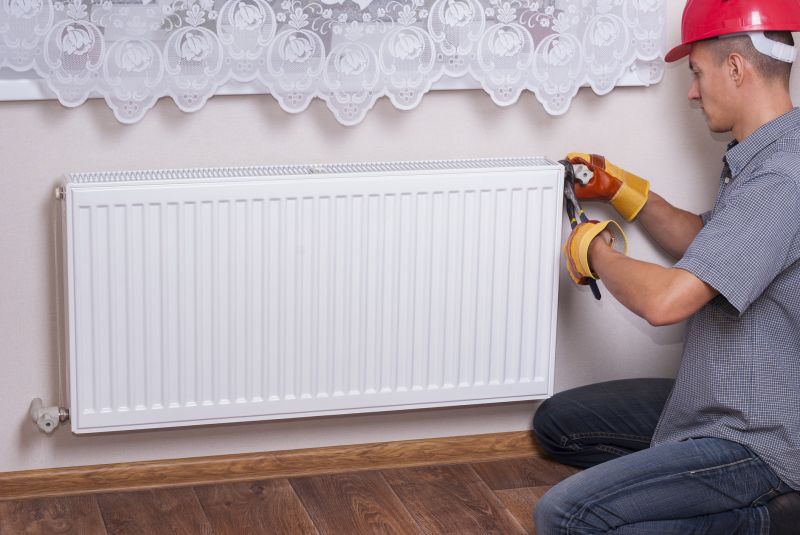
When evaluating local contractors for radiator heating installation, it’s important to consider their experience with similar projects. Homeowners should look for service providers who have a proven track record of handling radiator systems comparable to their own. This can help ensure that the contractor understands the specific requirements and challenges associated with installing or upgrading radiator heating, leading to a smoother process and a more effective result. Asking for details about past work or examples of completed projects can provide insight into their familiarity with the type of installation needed.
Clear written expectations are also essential when comparing local pros. Homeowners should seek contractors who can provide detailed estimates that outline the scope of work, materials to be used, and any other relevant information. This transparency helps prevent misunderstandings and ensures everyone is aligned on what the project entails. A well-defined plan in writing can serve as a reference throughout the project, making communication more straightforward and reducing the likelihood of surprises or disputes.
Reputable references and good communication are key indicators of a reliable service provider. Homeowners are encouraged to ask for references from previous clients to gain insights into the contractor’s professionalism, quality of work, and ability to meet deadlines. Additionally, choosing a contractor who communicates clearly and promptly can make the entire process more manageable. Effective communication fosters a better understanding of project details, helps address concerns early, and contributes to a positive working relationship. Ultimately, connecting with local service providers who prioritize these qualities can lead to a more successful radiator heating installation.
Property owners use Radiator Heating Installation services for practical projects around their homes and businesses. This guide focuses on everyday jobs and straightforward project options.
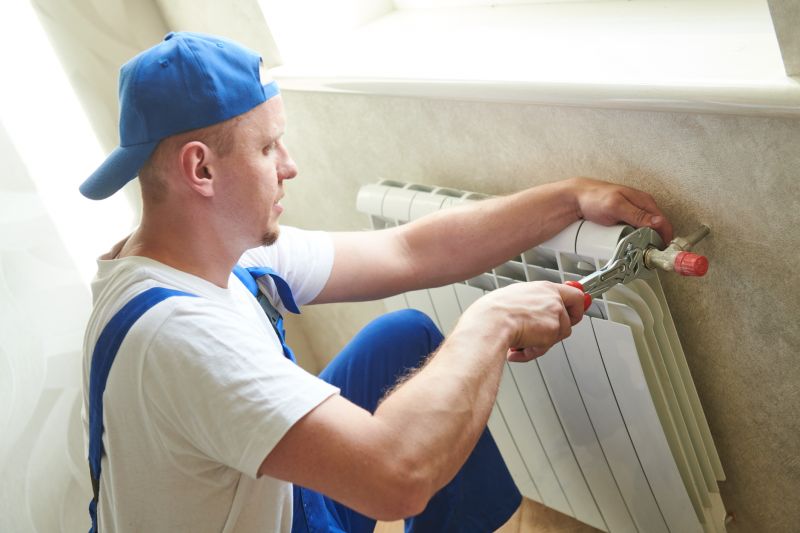
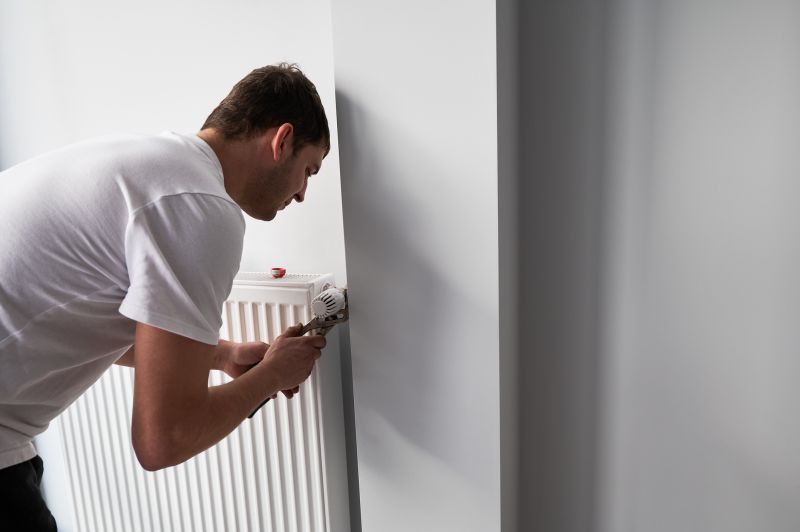
Radiator heating installation is often needed when property owners want to improve indoor comfort or replace outdated heating systems. Whether upgrading an older property or installing a new one, local contractors can handle the task of fitting radiators that evenly distribute warmth throughout a space. Homeowners and property managers might seek these services to ensure reliable heating during colder months or to enhance the efficiency of their existing system.
Many property owners turn to local service providers when they notice uneven heating, rising energy bills, or simply want a more modern heating setup. Installing new radiators can also be part of a broader renovation or remodeling project, making it important to find experienced local contractors who can manage the work smoothly. Connecting with qualified professionals can help property owners achieve a comfortable, well-heated environment tailored to their specific needs.
What types of radiator heating installation services are available? Local contractors offer various radiator installation options, including traditional cast iron radiators, modern panel radiators, and custom solutions tailored to specific heating needs.
How do local service providers handle radiator installation projects? They typically assess the space, recommend suitable radiator types, and perform professional installation to ensure proper heating performance and safety.
Are there different radiator options for different home sizes? Yes, local contractors can recommend and install radiators that are appropriate for small, medium, or large spaces to ensure efficient heating.
What should be considered before installing a new radiator? Factors include the room size, existing heating system compatibility, and placement for optimal heat distribution, which local pros can evaluate.
Can local contractors assist with radiator removal or replacement? Yes, they can handle removal of old radiators and install new ones, ensuring the work is completed properly and safely.
Upgrade to Radiator Heating - Property owners can enhance comfort by installing radiator heating in living spaces to provide consistent warmth during colder months.
Add Radiator Heating to Renovations - When remodeling a home, homeowners might incorporate radiator heating to improve indoor climate control and energy efficiency.
Replace Old Heating Systems - Replacing outdated or inefficient heating units with modern radiator systems can improve heat distribution and reduce energy use.
Install Radiator Heating in New Constructions - Building a new property offers the opportunity to include radiator heating for even and reliable heat throughout the space.
If you are thinking about Radiator Heating Installation for a property, this guide is meant to help you understand the work, the typical project types, and how different options might fit your plans.
When you are ready, you can use the quote form on this page to share a few details about your project. From there, local pros can review the basics and respond with options that match what you have in mind.